How far is Hegra from AlUla town?
A short drive north of AlUla town. The official day tour departs by bus from the Winter Park bus stop in AlUla, and its stated duration of two to three hours includes that transfer.
Hegra, known in Arabic as Mada'in Salih, is an ancient Nabataean city just north of AlUla town and the first place in Saudi Arabia inscribed on the UNESCO World Heritage List, in 2008. Its 111 monumental tombs are cut straight into sandstone outcrops, 94 of them with decorated facades dating from the first century BC to the first century AD. You cannot drive yourself around the site: entry is by official guided tour, booked through the Experience AlUla platform, and the standard day tour takes two to three hours including the transfer. CHAPTERS journeys include transport, a guide and your stay, with the Hegra visit at the center of the program.
Hegra is an ancient Nabataean city north of AlUla that you can only enter on an official guided tour, booked in advance through Experience AlUla. Give it a full morning, book it before anything else in your itinerary, and build the rest of the day around it.
This article is part of our complete AlUla guide. Start there for seasons, transport and the other landmarks.
Hegra was the Nabataean kingdom's second city after its capital, Petra, and a major stop on the caravan route that linked the Arabian Peninsula with the Mediterranean world. What survives is above all its city of the dead: monumental tomb facades carved directly into sandstone outcrops, preserved to a remarkable degree by early abandonment and a dry climate.
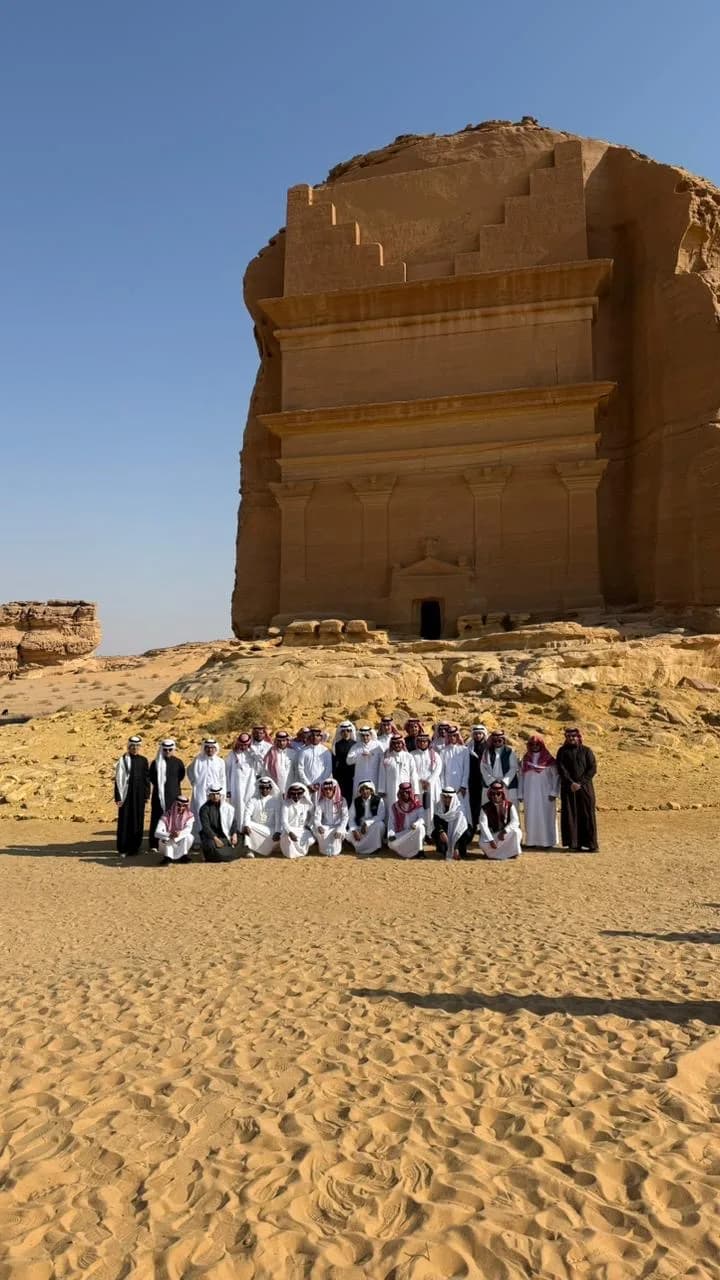
According to the UNESCO World Heritage Centre, the site holds 111 monumental tombs, 94 of them with decorated facades dating from the first century BC to the first century AD, along with some fifty pre-Nabataean inscriptions and water wells that are still in use. It was inscribed in 2008 as Saudi Arabia's first World Heritage property, for its unique testimony to Nabataean civilization and for the meeting of Assyrian, Egyptian, Phoenician and Hellenistic influences in its decoration.
Why does that matter to a visitor? Because Hegra is the archaeological anchor of the whole destination: the place that explains why AlUla existed at all, and why its valley filled with settlements and inscriptions from Dadan to Jabal Ikmah. See Hegra first, and everything after it falls into place.
Hegra is the name UNESCO and the Royal Commission for AlUla use today; al-Hijr is its historical Arabic form, the one you meet in classical sources; and Mada'in Salih, “the cities of Salih,” is the popular Arabic name, tied in local memory to the Prophet Salih and the people of Thamud. All three appear on signs and in search results, and all three mean the same site.
The official tour moves between clusters of sandstone outcrops, each with its own character. These are the stops Experience AlUla lists for its tours:
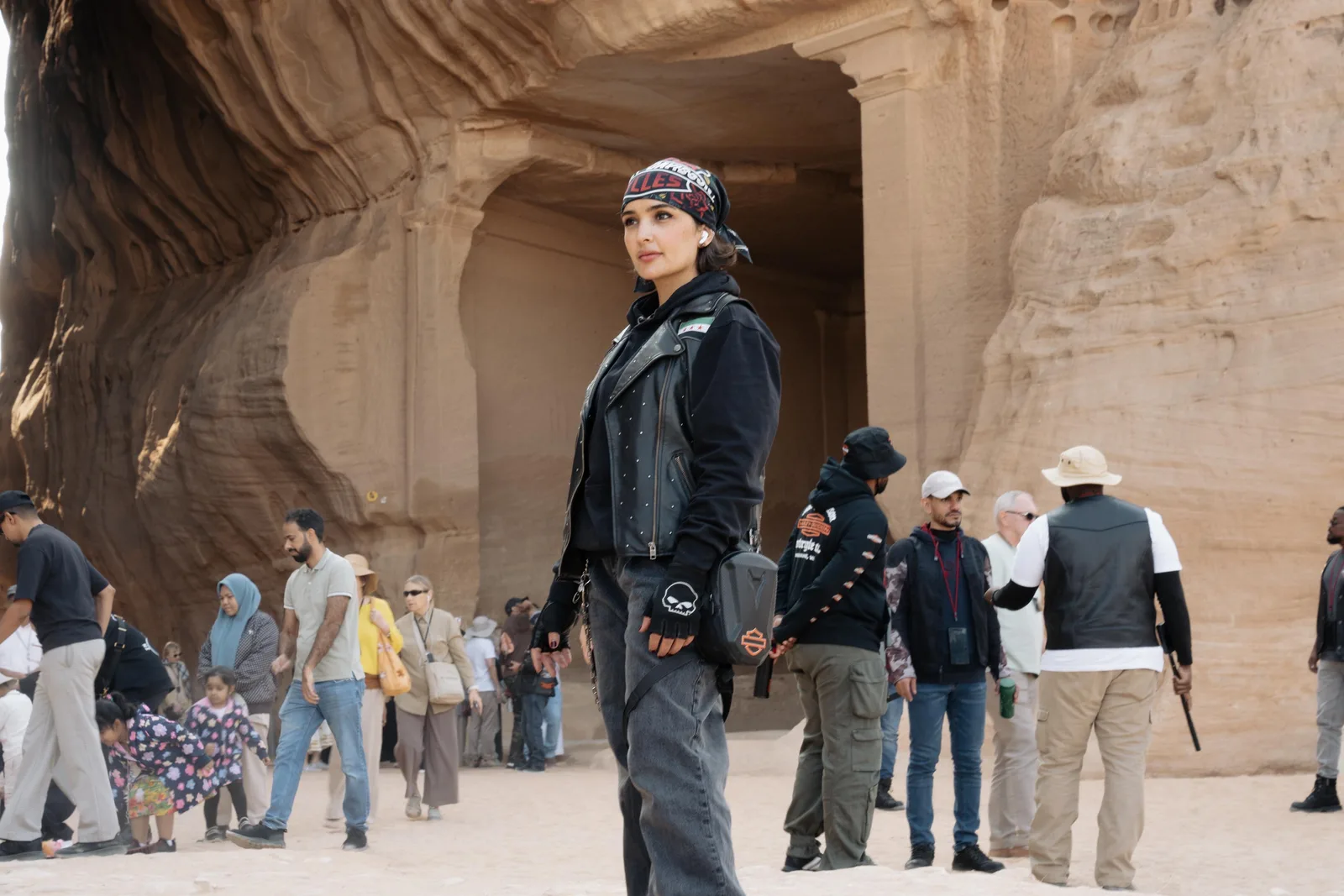
Some stops may close temporarily for conservation or excavation work, as the official platform states. Plan for the site, not for one particular stop.
Entry to Hegra is not a gate ticket you buy and walk through. It is an organized tour with a vehicle and a guide, because self-driving inside the site is not allowed. Tours are sold through Experience AlUla, the platform of the Royal Commission for AlUla, and, subject to availability, at the visitor center; the platform recommends booking ahead because daily tour numbers are limited.
Tickets, slots and change policies are issued by the official channels and do change; check them when you book. CHAPTERS does not sell Hegra tickets separately and operates nothing inside the site. We organize the journey around it.
Allow half a day. The tour itself is two to three hours including the transfer from Winter Park, but add time to reach the meeting point early, a stop at the visitor center (exhibition, shop and seasonal refreshments), then lunch and a rest. Anyone who pencils Hegra in as “ninety minutes” in a crowded schedule comes out tired and shortchanged.
| Tour time | Light and heat | Best for |
|---|---|---|
| Early morning | Warm side light on the facades and the coolest hours of the day | Photography, families, older travelers and the hot months |
| Midday | Harsh overhead light and peak heat for most of the year | Only when no other slot exists; bring water and a hat and keep the walking short |
| Late afternoon to sunset | Golden light that fades fast, and easing heat | Photography and quiet; check the last available departure |
As for the season: winter and its shoulder months are AlUla's season; summer is possible but forces the earliest morning slot. We cover this in our guide to the best time to visit AlUla.
The official tours welcome all ages and are rated low physical intensity: you move between stops by vehicle and walk on level paths around the facades. The platform does state, however, that the tours are not suitable for wheelchairs or strollers, so plan accordingly with a baby or with anyone who needs a chair.
For planning your AlUla days around children's ages:
The official recommendation for the tours is clear: comfortable outdoor clothing, closed-toe walking shoes, a hat, sunglasses and sunscreen. Hegra is open to the sun, and the ground is sand and rock.
The full AlUla packing list, season by season:
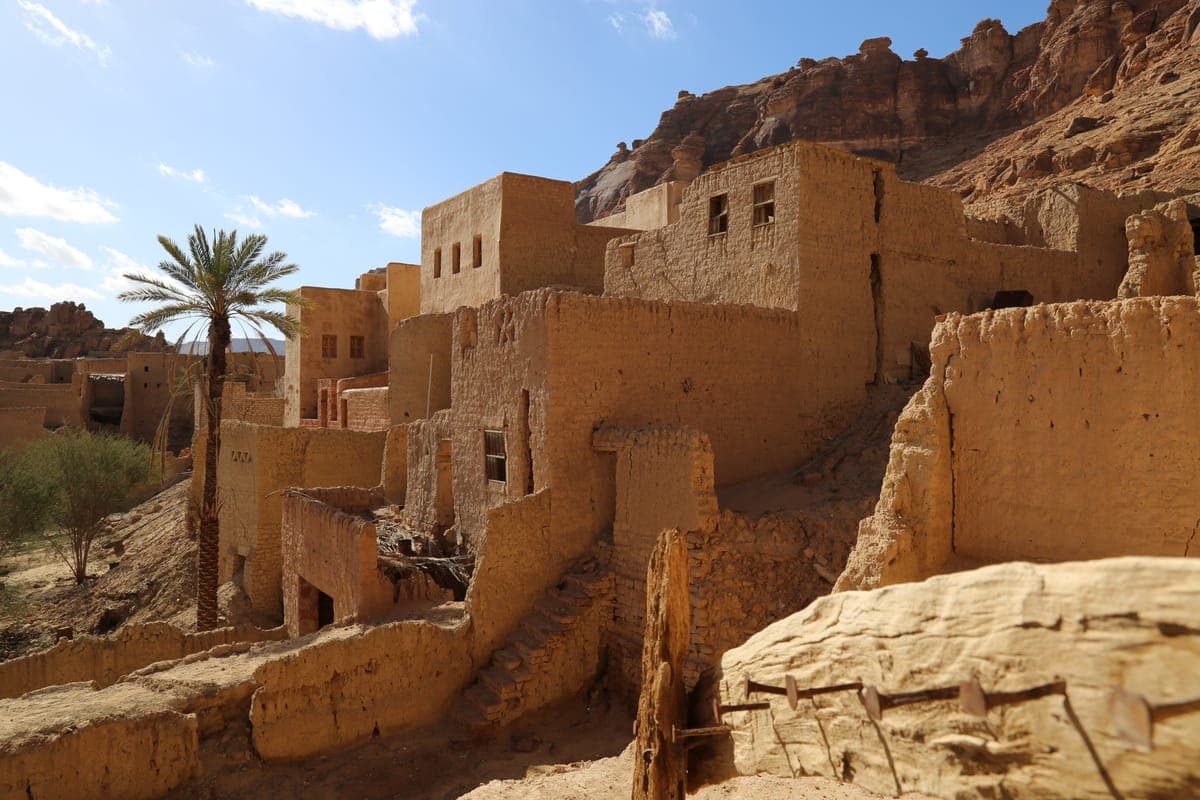
The rule: Hegra first, everything else around it. The official two-day heritage itinerary suggested by Experience AlUla places Hegra on the morning of day one and the Old Town in the afternoon, and leaves Dadan and Jabal Ikmah for the morning of day two, which is the same order we use in our 48-hour itinerary.
If you are coming from Madinah for a single day, make Hegra your only anchor and add at most one short stop. The details are in these two articles:
You can certainly book the tour yourself and drive to Winter Park; the official platform recommends renting a car, with or without a driver, for your stay in AlUla. The difference an organized journey makes is not in the entry itself, which is official either way, but in everything before and after it.
| Element | Independent visit | With a CHAPTERS journey |
|---|---|---|
| Official tour ticket | You book it yourself on the official platform | Still the official tour; the journey proposal states whether it is included or booked in your name |
| Reaching the departure point | Your own car or a taxi, with timing you work out yourself | Transport from your stay, timed to the tour slot |
| The guide | The official tour guide inside the site | The tour guide inside the site, plus a CHAPTERS companion before and after who connects Hegra to the rest of what you see |
| The rest of the day | You plan it: lunch, rest, an evening stop | Built around the Hegra slot: lunch, rest and the evening are part of the program |
| Accommodation | Chosen and booked separately | Included in the journey, and close to your day's anchor |
| If the slot or weather changes | You rearrange it yourself | The journey team resets the program and tells you |
On CHAPTERS journeys with published dates, the Hegra visit is a stop on the heritage day, either fixed or offered as a choice with Dadan and Jabal Ikmah depending on each journey's program, with transport, guide and stay. On private journeys we build the day around the slot that suits your group: early morning for families and photographers, or the afternoon for those arriving the same morning.
Entry to Hegra is through the official tour and its ticket in both cases; when a published CHAPTERS journey lists entry tickets among its inclusions and has Hegra in its program, the ticket is part of the journey and we arrange it, alongside transport, the accompanying guide, the stay and the program's timing. Check exactly what is included, and the change and cancellation terms, on the journey's page or in the final journey proposal.
A short drive north of AlUla town. The official day tour departs by bus from the Winter Park bus stop in AlUla, and its stated duration of two to three hours includes that transfer.
Yes, in practice. Self-driving inside the site is not allowed, entry is by official tours with limited daily numbers, and the official platform recommends booking ahead. Tickets may be available at the visitor center, but do not build your day on that in high season.
Two to three hours for the day tour by bus, including the transfer, and about two hours for the premium private 4x4 tour. Allow half a day once you add the arrival, the visitor center and lunch.
Yes. The tours welcome all ages and are rated low physical intensity, but according to the official platform they are not suitable for wheelchairs or strollers. Choose the early morning, and consider the private tour for a calmer pace.
None in the place itself; they are three names for one site. Hegra is the name used today by UNESCO and the official bodies, al-Hijr its historical Arabic form, and Mada'in Salih the popular local name.
Yes. Personal photography is allowed from the designated paths, and the official platform asks explicitly that you take nothing from the site except photographs. Commercial or drone photography is a question for the official channels.
No. The site rules require you to stay on the designated paths and not to enter the tombs or touch the carvings, because that can cause irreparable damage. What you see from outside, the facades and doorways, is the heart of the visit.
Early morning, then late afternoon, within the day. Within the year: winter and its shoulder months, when walking between the facades is comfortable all day. Summer is possible with the earliest available tour and proper sun protection.
Choose a journey with a published date that puts Hegra at the top of its heritage day, with transport, guide and stay, or send us your dates, your travelers' ages and what you do not want to miss, and the CHAPTERS team will design the day around the tour slot that suits you.